
Minnesotans love loons. With eerie calls that float through the air on summer evenings, red eyes, sharp beaks, and an impressive ability to swim underwater, loons capture our hearts and fascinate our minds.
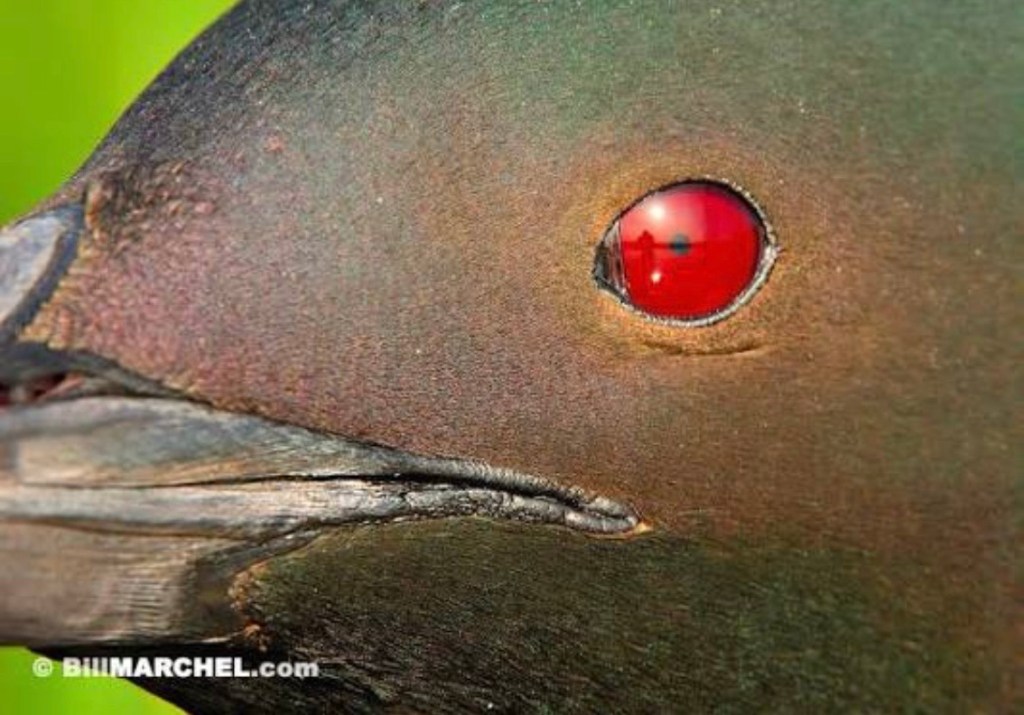
For years, most people assumed that loons were related to ducks, grebes, or mergansers because the birds look similar and share freshwater lakes as their habitat. When scientists sequenced loon DNA and compared it with DNA from other birds in the mid-2010s, however, they were surprised to learn that loons are actually most closely related to penguins!

Like penguins, loons’ bodies are stream-lined and designed to swim underwater with ease. They can dive 200-250 feet deep and stay underwater for one to five minutes. Unlike their Antarctic cousins, however, they actually aren’t able to walk on land. Loons spend their summers in deep, clear freshwater lakes in northern states like Minnesota and Wisconsin, and overwinter along the Gulf Shore and inland lakes in Louisiana, Mississippi, Alabama, and the Florida panhandle. Though they are considered “serially monogamous” they don’t actually mate for life. Instead, they keep the same mate for five to seven years and usually return to the same lake year after year.
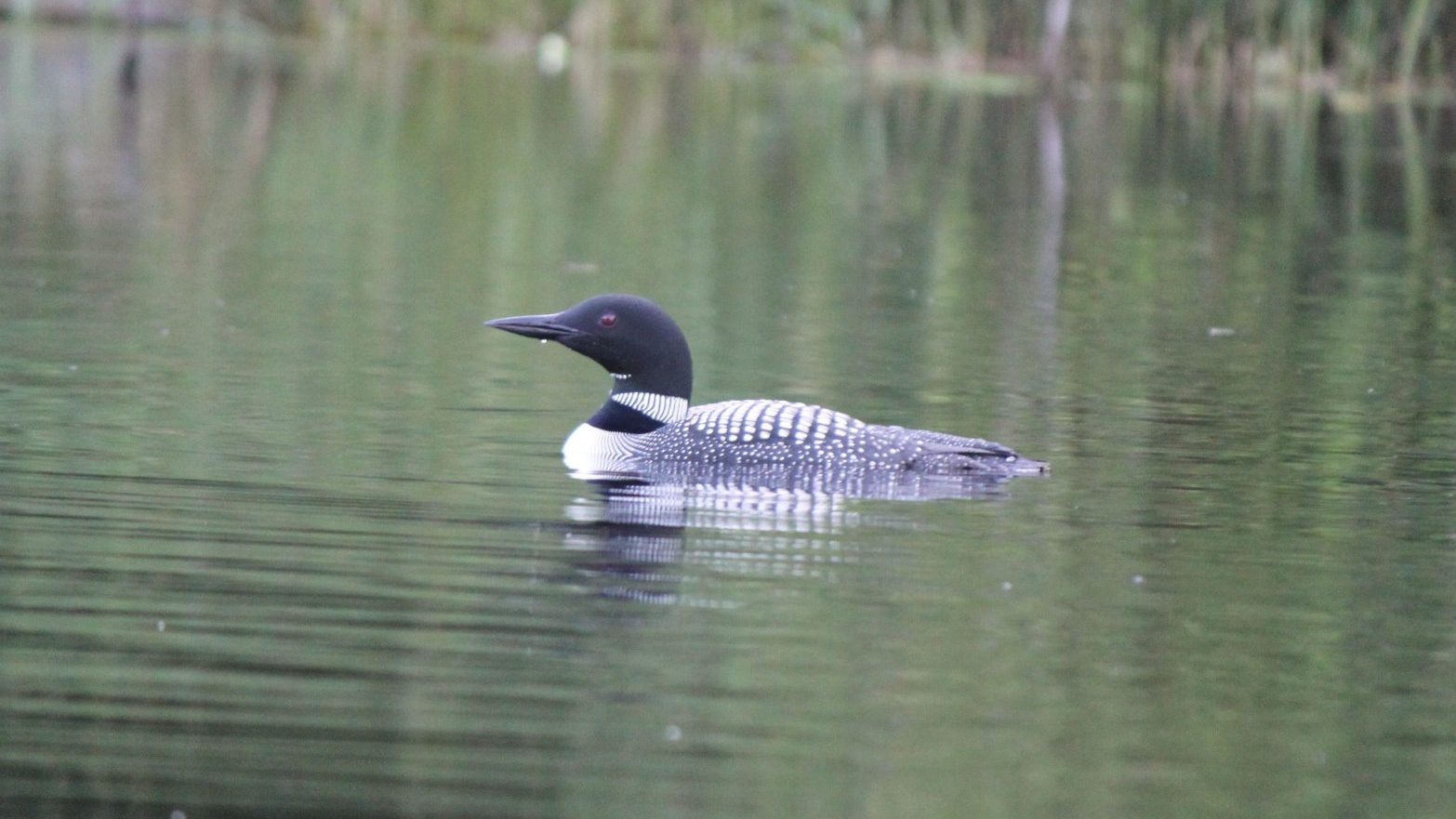
Loons are perhaps best known for their strange and haunting calls, which many people associate with warm summer evenings, canoeing, and spending time up north with family and friends. In fact, loons make four different kinds of sounds. Hoots are used to locate family nearby, whereas a wail is used to locate family far away. Their alternating tremolo is used to signal alarm to other loons, and the yodel is a defense call only used by males.
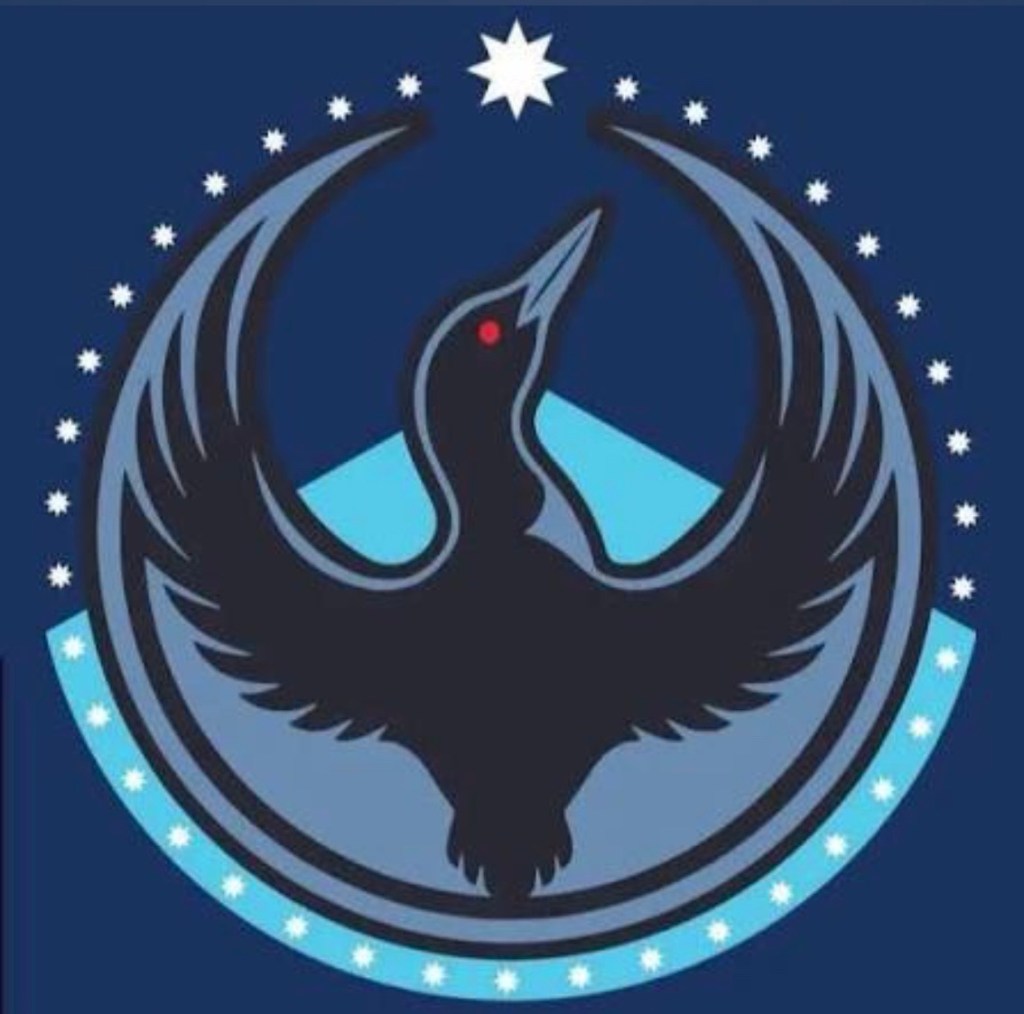

The loon has been recognized as Minnesota’s official state bird since 1961, and holds a firm place in our regional pop culture, alongside hot dish, ope, and uff-da. The “laser loon,” created by designer Frederick de Ruiter during the 2023–24 state flag contest, has become a popular symbol of state pride and was featured on a limited-edition St. Paul Public Library card. More recently, artists have created several different variations of a rebel loon, inspired by the emblem of the Star Wars Rebel Alliance.
Since we love them so much, there are also a few simple things we can do to make loons lives better.
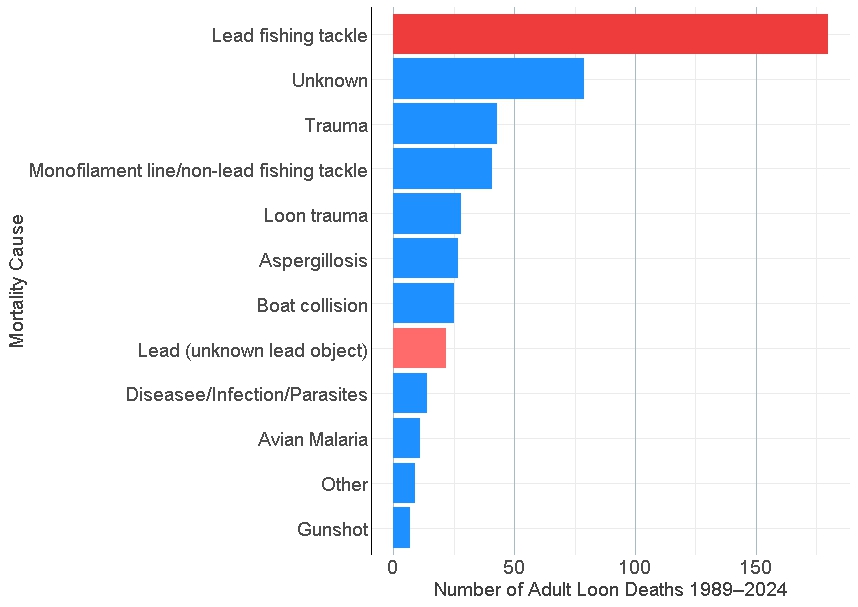
The first is to stop using lead fishing tackle and instead switch to tackle made with tungsten, tin, steel, bismuth, or glass. A shocking 20-25% of adult loon deaths are caused by lead poisoning, which happens when the birds eat fish that have lead in their stomachs, grab bait or fish from your fishing line, or scoop up lead sinkers at the bottom of a lake when gathering pebbles to aid in their digestion. Lead also poisons raptors, swans, and some mammals and causes a slow, painful death.
Loon lovers who are lucky enough to live on a lake or own a cabin should also be sure to leave a portion of their shoreline un-mowed, with native vegetation, in order to give loons a place to nest and lay their eggs. Male and female loons use reeds and grasses along shorelines to build their nests and take turns incubating the eggs. Chicks take about a month to hatch and will stay close to shore with their parents while they are young. Surveys conducted by the Minnesota Loon Monitoring Program show that adult loon populations are stable but juvenile populations are declining by 0.03% per year. Shoreline development is a major stressor contributing to this decline.
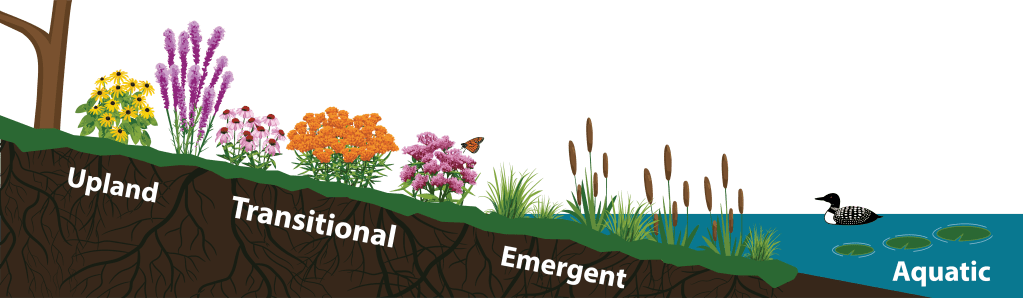
The Minnesota Department of Natural Resources (DNR) offers numerous resources for lakeshore landowners, including a “Score your Shore” tool and information about landscaping with native plants: www.dnr.state.mn.us/lakescaping.
In addition, shoreline owners in Chisago (chisagoswcd.org), Isanti (isantiswcd.org), and Washington Counties (mnwcd.org) can contact their Soil and Water Conservation District to request a free site visit and connect with watershed grants and other support to restore and protect shorelines. East metro partners will also be hosting a free professional training for shoreline contractors on Thursday, March 5, 9am-noon at Chisago Lakes Town Hall in Lindstrom. Register at tinyurl.com/2026lakeshore.
Live, love, laser loon!

 East Metro Water